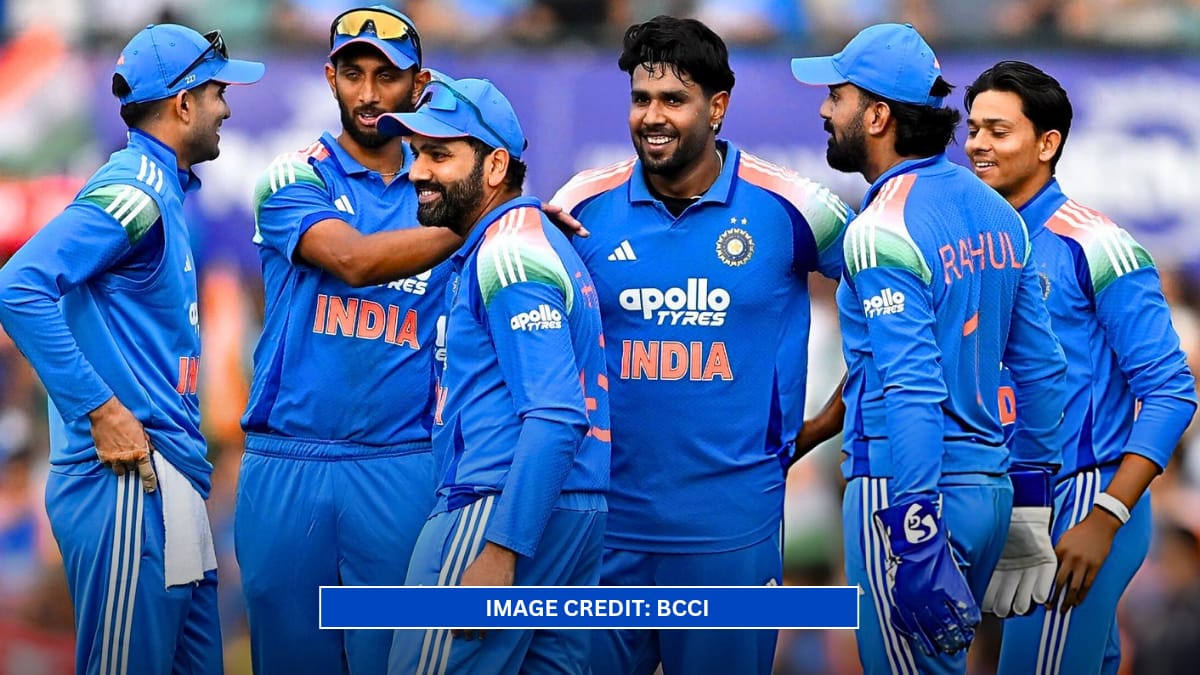
The Indian cricket team is once again facing leadership uncertainty in the One-Day International (ODI) format. After a dramatic shift in captaincy earlier this year, India could be forced to rethink their plans for the upcoming ODI series against South Africa. With Shubman Gill and Shreyas Iyer both nursing injuries, the selectors are now looking at alternate leadership options, and Rohit Sharma’s name is once again part of the conversation.
India currently finds itself at a crossroads. While Gill was appointed as the new ODI captain following a management transition led by Gautam Gambhir, his recent injury has disrupted the long-term roadmap. His deputy Shreyas Iyer, expected to play a crucial supporting role, is also out with an injury sustained during the Australia ODI series. As a result, the upcoming South Africa ODIs have suddenly gained importance—not only for team performance but for clarity in leadership direction.
Why Was Gill Leading India?
India’s decision to hand ODI captaincy to Shubman Gill was part of a forward-looking strategy. With Rohit Sharma approaching the later phase of his career, the management wanted to build a young leader who could grow with a fresh squad. Gill’s maturity, consistency with the bat, and calm temperament made him an ideal choice. His recent showing in the Champions Trophy and his leadership qualities at the domestic level also impressed the decision-makers.
However, cricket is full of uncertainties, and Gill’s unexpected injury during the opening Test in South Africa has put the management in a tricky situation. For a series as important as this, India cannot enter without a stable captain, and that brings the spotlight back to familiar faces.
Shreyas Iyer’s Absence Adds to the Crisis
If Gill’s absence was a blow, Shreyas Iyer’s injury made the situation worse. As the designated vice-captain, Iyer was being groomed as a reliable backup option. His tactical awareness, leadership experience with Kolkata Knight Riders in the IPL, and batting prowess made him a suitable deputy. But his injury during the final ODI against Australia ruled him out for several weeks, eliminating the most obvious alternative.
Without Gill and Iyer, India must now choose between experience and experimentation.
Rohit Sharma Back in the Frame
One name that naturally re-emerges in such circumstances is Rohit Sharma. The veteran opener recently led India to a memorable Champions Trophy win, reminding the world of his leadership credentials. Despite that success, he was replaced as ODI captain, with selectors opting for future planning over immediate results.
However, India may now be forced to go back to experience—at least temporarily. Rohit’s return as captain, even for a short series, could bring stability. His tactical genius, calmness under pressure, and ability to get the best out of young players make him a strong contender. Most importantly, Rohit knows South African conditions well and has captained successfully in the past against the Proteas.
Other Captaincy Options: KL Rahul & Rishabh Pant
If selectors decide to continue with their youth-plus-future approach, KL Rahul and Rishabh Pant are strong contenders:
KL Rahul
- One of India’s most adaptable batters.
- Experienced wicketkeeper-batter and former captain.
- Tactically intelligent and well-respected among players.
Rahul’s biggest advantage is his consistency and experience in pressure situations. If selectors want stability without returning to Rohit, Rahul becomes the immediate choice.
Rishabh Pant
- Energetic, aggressive leader with a fearless approach.
- Already led India in several matches.
- Growing popularity and maturity after his comeback.
Pant offers a fresh, bold style of captaincy, but selectors may hesitate to hand him full responsibility immediately after his return from injury.
What Should India Do?
Choosing a captain for the South Africa ODIs is not just about this series—it will reflect the direction Indian cricket wants to take in the next few years. With Gill and Iyer unavailable, the safest short-term solution is Rohit Sharma, while the future can still be planned around Gill, Iyer, Rahul, or Pant.
A temporary return for Rohit does not disrupt long-term planning. In fact, it may help Gill eventually settle into the role without pressure, rather than being rushed due to injuries.
Final Thoughts
India’s ODI captaincy debate is a reminder that leadership transitions in cricket are never simple. Plans can change overnight due to injuries, form, or unexpected circumstances. As the series against South Africa approaches, the selectors must balance experience, continuity, and future preparation.
Whether India turns to Rohit Sharma again or trusts another interim leader, one thing is clear: the decision will shape the narrative of India’s ODI journey for years to come. And for now, the world waits to see who walks out for the toss in South Africa—carrying not just a coin, but the responsibility of leading a nation passionate about cricket.